Yoga styles guide
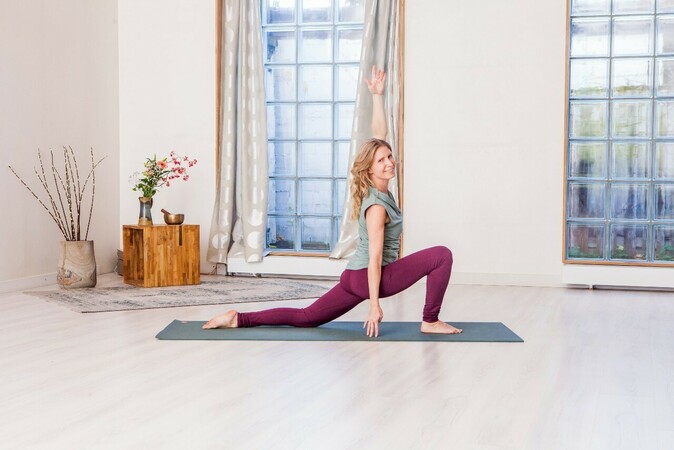
With so many different types of yoga out there (19 on YogaEasy alone!), it can be difficult to know which one is right for you. Take a look at some of the main yoga styles we offer, learn about their benefits and try out some of our suggestions.
1. Hatha – for an ‘all-round’ balanced yoga practice, a great place to start for beginners
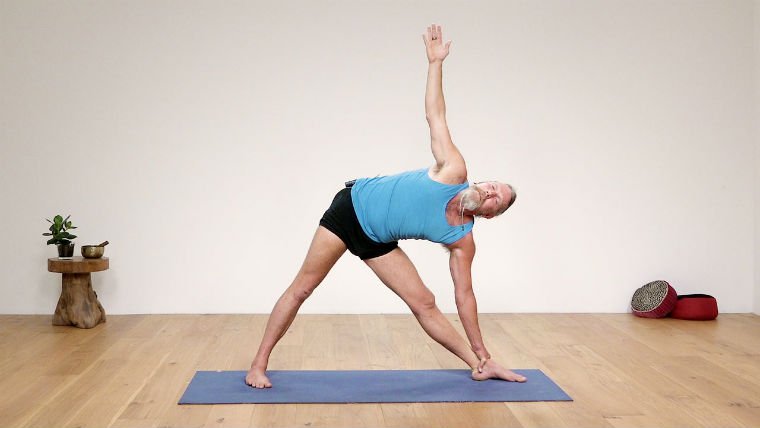
Hatha Yoga provides the ‘blueprint’ for many other physical styles of yoga like Vinyasa, Iyengar and Ashtanga Yoga. It’s usually slower-paced and classes are most likely to include asana (yoga poses), Pranayama (breathing techniques) and meditation. Hatha classes are recommended for beginners for learning the foundations of yoga. The pace of Hatha also allows experienced students to explore the more subtle aspects of yoga.
- Try Hatha classes with: Esther Ekhart and Andrew Wrenn.
- Get started with our Yoga for beginners course. Or try Andrew's Simply Hatha program for a deeper immersion into this style.
- Learn more: What is Hatha Yoga?
2. Vinyasa flow – helps build overall strength and flexibility
In a Vinyasa flow class the yoga poses flow from one to another in synchrony with breath. You might see Vinyasa yoga described as simply 'flow yoga'. It is one of the broadest styles of yoga as there is no standard sequence, and the style, pace and intensity will vary depending on the teacher. Vinyasa yoga can range from Ashtanga-inspired Power yoga to more creative and mindful flows. Classes can build up to a 'peak pose' (known as Vinyasa Krama) or they can be sequenced around particular yoga themes and concepts such as the chakras.
- Try it in class with Julie Martin, David Lurey, and Laia Bové - amongst many others on EkhartYoga! You can filter Vinyasa yoga classes further by level, teacher, specific use and duration.
- Get started with our Vinyasa Yoga for Beginners program
3. Yin Yoga – improves flexibility and develops a deeper connection to stillness
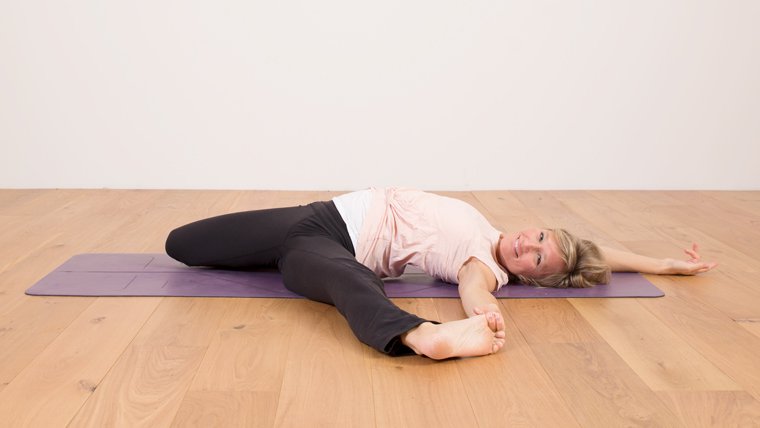
If you're comparing different types of yoga Yin Yoga is Vinyasa yoga’s polar opposite! It is a slow-paced, meditative form of yoga. A Yin yoga class all takes place sitting or lying on the mat rather than standing. Poses are held for around 3 to 5 minutes and work on the Yin tissues - the ligaments, joints, bones, and the deep fascia networks of the body – rather than the muscles. Yin Yoga poses target different meridians in the body and so can bring emotional as well as physical benefits.
However, although it's slow, Yin Yoga is not necessarily the easy option. Staying in a pose while keeping the mind calm and steady can be especially challenging - but that is part of the practice!
- Enjoy Yin Yoga with José de Groot, and Gemma Vassallo
- Try our Just Yin Yoga program
- Browse all Yin classes
3. Pilates – support sustainable and healthy movement on and off the mat
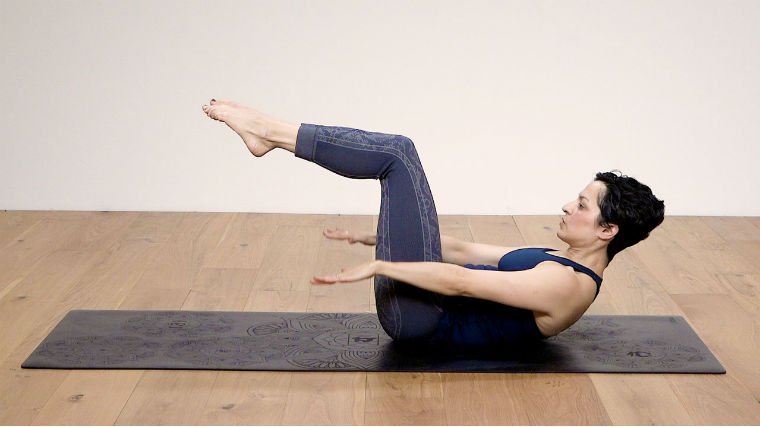
Pilates uses small, subtle movements which graduate into larger-range movements in order to challenge core strength, flexibility and mobility. This makes it a great complement to your yoga practice. The practice focuses on the ‘core’ and the muscles that support the spine, hips, upper and lower back. It’s also an excellent overall conditioning method as it encourages the body to move as a connected whole.
- Try Pilates with Vanessa Michielon, Ruth Larkin and Rose van Ooijen
4. Yoga Nidra – enables transformation through a state of deep relaxation
Yoga Nidra - also known as “yogic sleep”- can be described as the conscious state between wakefulness and sleep, allowing deep relaxation and a sense of wellbeing. It’s a guided practice and great for anyone who finds it hard to switch off and relax (i.e. most people!) Benefits include better sleep, improved mood, reduced stress. Research has shown that Yoga Nidra can reduce chronic pain, depression, anxiety, insomnia and PTSD.
- Practice Yoga Nidra with James Reeves
- Follow James' Yoga Nidra - Effortless Awakening program
5. Mixed movement and Qigong - support your yoga practice with natural movement practices and conditioning exercises
Mixed movement classes feature other movement practices including Qi Gong, Natural Movement, functional training, and strength and conditioning exercises. Adding these practices into your yoga practice can help to build strength and support healthy and safe movement both on your yoga mat and in your daily life.
- Practice Mixed movement classes with: Julie Martin, David Kam and David Lurey
- Practice Qigong with Wenlin Tan
6. Ashtanga – builds stamina and strengthens discipline
Ashtanga Yoga is a physically demanding, athletic yoga style. It is made up of six ‘series’ (Primary, Intermediate and four Advanced series), each of which has a fixed order of poses. Ashtanga yoga is traditionally taught Mysore-style (named after the city its founder taught from) which means students work their way through the sequence and are given their next pose by their teacher. In many studios (including online) the classes may be full or shortened versions of the series or they may focus on specific poses in a workshop style. Ashtanga yoga requires both mental and physical discipline so can help you establish a regular yoga practice.
- Practice with Nichi Green and Allison Dearling
- Get started: Ashtanga for beginners program
- All Ashtanga classes for YogaEasy members
7. Somatics – combats neuromuscular pain, creates greater body awareness
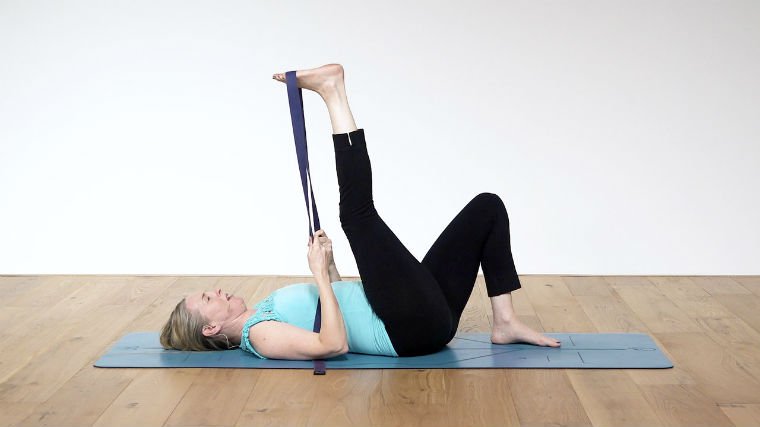
The term Somatic means ‘embodied’ or ‘of the body’. Somatics is a therapeutic movement practice which uses small, slow and gentle movements to re-educate the brain so that it can relax and move the muscles more functionally. It’s wonderful for muscles which have become tight or restricted due to developmental reasons, habitual patterns, emotional stress, injuries or trauma. Other types of yoga draw in elements of Somatics for example with free movement explorations in a Vinyasa or Slow Flow class. Watch So what is Somatics? with Lisa Petersen.
- Practice with Lisa Petersen, Aki Omori
- Browse all Somatics classes.
8. Slow flow – meditation in motion
Slow Flow is a style of yoga that is a combination of Vinyasa flow and Hatha yoga, with fewer transitions between poses than Vinyasa and more flow than in a Hatha yoga class. Slow Flow yoga can help you find the space between poses while still retaining the gentle rhythm of a flow yoga class. In this way, you can experience the more meditative and calming effects of a Hatha class, whilst continuing to reap the benefits of improved strength and flexibility.
- Practice with Anat Geiger, and Marlene Henny.
- All Slow flow classes
9. Iyengar – improves alignment and postural issues
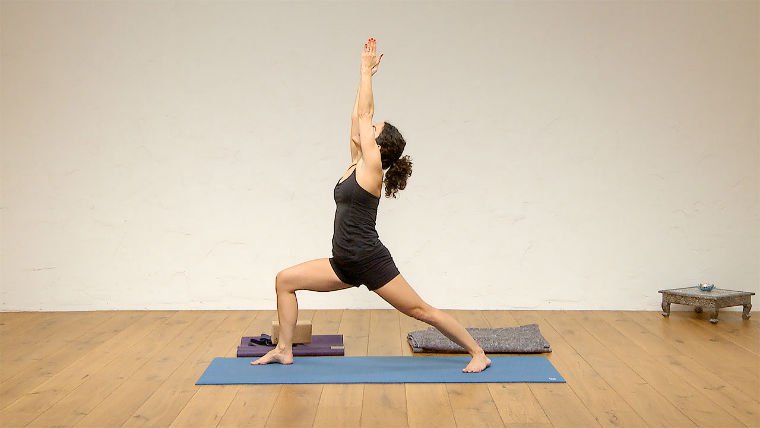
Iyengar yoga was founded by BKS Iyengar and has a strong focus on detail, precision and alignment in the yoga postures. The use of props such as straps, blocks, blankets and chairs is a major part of Iyengar Yoga. These props support the body in different postures so that you can work on a posture in a safe and effective way and adapt them to your body. In Iyengar classes poses are held for longer periods than in many other styles which improves focus and concentration.
- Practice Iyengar Yoga with Adela Serrano
- Get started: Iyengar for beginners program
10. Yin Yang Yoga – balances energy, flexibility and strength
Yin Yang Yoga classes combine the two styles of Yin yoga with dynamic (Yang) sequences. While the Yin element targets the connective tissues, the dynamic section targets the Yang tissues (muscles and blood). The Yang part could be flowing sequences or longer held standing poses. Yang poses may have different names to similar poses practised in a Vinyasa class, for example in an Yin Yang yoga class you'll hear Warrior 3 being called Flying Dragon. A Yin Yang class will often begin and end with Yin and have a Yang mid-section but any combination of the two is possible.
- Practice with José de Groot and Rose van Ooijen
- Suggested program: Yin Yang Yoga
- All Yin Yang Yoga classes
11. Therapeutic Yoga – tackles and supports health issues
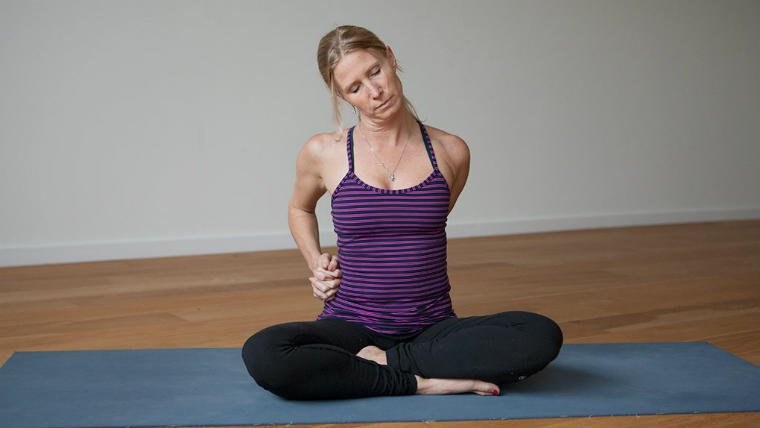
Yoga therapy brings together traditional techniques and practices with modern day research and science. Our therapeutic yoga classes help with specific health challenges, be they mental, physical or emotional. Whether you’re struggling with anxiety, insomnia, back pain, tension in your neck and shoulders, mood swings, muscle stiffness, digestion issues (to name but a few), we have classes to support you on EkhartYoga.
- Practice Therapeutic yoga classes
12. Kundalini-inspired – moves the energy in the body
Kundalini yoga focuses on awakening Kundalini energy - life energy said to be located in the base of the spine - and includes asana, Pranayama, meditation and mantra chanting. Kundalini- inspired classes often have a focus on balancing and strengthening the seven main chakras located along the spine, through which the Kundalini energy rises, as well as addressing specific conditions such as built-up stress.
- Practice with: Marlene Smits
- All Kundalini Yoga-inspired classes
13. Scaravelli-inspired – incorporates waves and spirals to encourage a slow and safe release of tension
Named after Vanda Scaravelli who was introduced to yoga through BKS Iyengar, this style helps us to become more centred and grounded by creating a strong connection to our feet. With its emphasis on surrendering to gravity and listening to the breath, the body’s natural responses can initiate a wave-like release in the spine and a deep felt-sense of freedom in the body.
14. Core strength Vinyasa – accesses and activates the core during yoga
In Core Strength Vinyasa classes, specific poses and sequences are designed to help you access and understand your core, which improves stability and strength. Though the 'core' is often thought of as just the abdominal muscles, it’s more accurate to think of it like an apple core, running from the top of our head to the inner arches of your feet.
- Practice with: Marlene Henny
- All Core Vinyasa classes
15. Restorative Yoga – supports rejuvenation and renewal
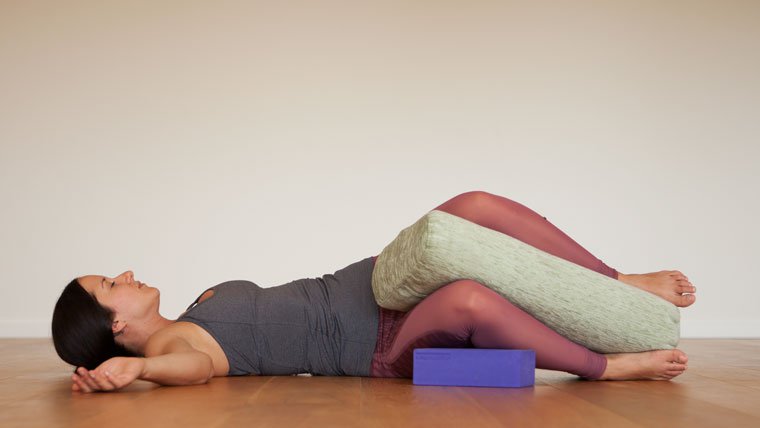
Restorative yoga classes are usually very relaxing and slow paced - expect dimmed lights and lots of blankets and bolsters! The main philosophy of Restorative yoga is that by relaxing in poses, with the aid of props, without strain or pain, we can achieve physical, mental and emotional relaxation. During a Restorative yoga sequence, you still stretch, but you relax fully in the stretch so that tension can slowly be released.

Kirsty is from the UK and moved to the Netherlands to work for EkhartYoga (now YogaEasy) in 2015. She's an E-RYT 500hr trained yoga teacher and has completed many courses in meditation, anatomy, mindfulness and Yoga Nidra. Kirsty previously worked in publishing, graphic design and recruitment. Her role as Content Lead at YogaEasy includes content writing, program creation, and teacher relations. She is currently studying for a Masters in Creative Writing for Therapeutic Purposes.