
Ahimsa - Non Violence
The Yoga Sutras - foundations of yoga
The philosophical texts ‘The Yoga Sutras of Patanjali’ constitute the foundations of yoga. The sutras cover what is known as the ‘8 Limbs of Yoga’ - each limb is an aspect of the path of yoga, and offers us guidance within our practice, both on and off the mat. The first limb is made up of the ‘Yamas’; kind of moral values or abstinences – the guide to how we can best act towards ourselves, and the world around us. Here we take a look at the first Yama – Ahimsa or non-violence.
THE YAMAS
- Ahimsa – ‘Non violence’
- Satya – ‘Truthfulness’
- Asteya – ‘Non-stealing’
- Brahmacharya – ‘Continence’ or ‘Right use of energy’ (sometimes referred to as celibacy, but don’t let that put you off!)
- Aparigraha – ‘Non Greed’ or 'Non-attachment'
What is Ahimsa?
The very first – and often thought of as the most important – Yama, is ‘Ahimsa’, which means ‘Non-violence’ or ‘non-harming’. (‘Himsa’ = ‘hurt’ and ‘a’ = ‘not’) In this sense, we’re talking about non-violence in all aspects of life. When we act with ‘Ahimsa’ in mind, this means not physically harming others, ourselves, or nature; not thinking negative thoughts about others or ourselves; and making sure that what we do and how we do it is done in harmony, rather than harm. Sutra 2:35 reveals;
This implies that those who do not cause harm emit ‘harmonious vibrations’, encouraging others to live peacefully too. Ghandi’s life was lived by the vows of Ahimsa and Satya, and if that isn’t one reason to at least consider this practice, I don’t know what is!
Real transformation happens when we begin to practise yoga in all aspects of our being, so here are three ways to incorporate more Ahimsa in to your life:
Ahimsa in Asana
From complete beginners to the most experienced yogi, we can all feel frustrated when our physical yoga practice doesn’t progress as quickly as we’d like…. Remembering Ahimsa throughout our yoga practice guides us to let go of thinking negatively about body; accepting ourselves completely – no matter how strong or flexible we are at this moment. Non-violence in the physical sense here means we don’t push ourselves over the edge; of course we challenge ourselves in order to grow, leaning in to that sometimes scary edge, but never pushing ourselves to the point of harm. Who really cares if you can put your leg behind your head, or hold a handstand long enough to please your ego?
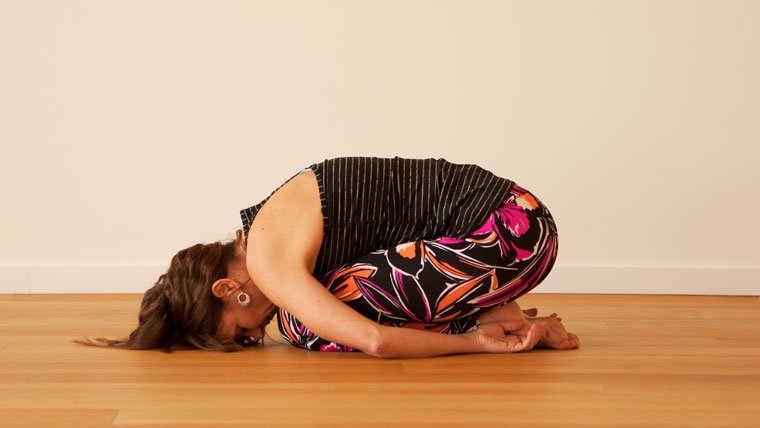
By respecting our boundaries and listening to our bodies, the practice becomes sustainable and a way to really learn about ourselves.
When we let go of clinging to the expectations of what we ‘should’ be able to do, and stop scolding ourselves with harmful thoughts, our body responds by working with us, not against us. We can open to the fact that the body is a pathway to freedom, not a road-block!
EkhartYoga members: Spend some time in this class with Sandra practising with Ahimsa in mind, respecting your body and boundaries.
Ahimsa in Diet
A question a lot of people often ask is; ‘Do I have to be vegetarian or vegan now I’m practising yoga?’. While the guidance of Ahimsa advises not harming another living thing, and therefore suggesting abstaining from eating animals, there has to be a balance… If cutting out certain things from your diet causes you harm, then it’s important to consider what works best. Can you change things a little so you’re supporting environmentally friendly companies? Eat organically? Maybe eat vegan or vegetarian at least a couple of times a week? Buy fair trade?
Whether you choose to eat meat and animal products or not, doing what is right for your unique body and helping to support the environment at the same time is something we can all be a part of. Learn more about eating with Ahimsa in mind in Irina's article: Yoga in the Kitchen.
Ahimsa in Thoughts
Our thoughts play such a big role in our overall wellbeing. You may be the healthiest person you know; eating well, exercising lots, drinking your green smoothies, and taking supplements you need.. doing everything ‘right’ – but if your thoughts are still harmful, you can bet you’re not feeling as good as you could.
Ahimsa means being mindful of our thoughts. When we think negatively, we send messages through our body that cause the fight or flight response, secreting cortisol (the ‘stress hormone’) in to the body. This lowers the immune system, making us more susceptible to illness and physical pain. It’s not just thoughts about ourselves we should be mindful of; Jealousy, judgement, anger and resentment – while directed at someone else – just come back to bite us by making us feel bad too.
On the other hand, ‘non-violent’, loving thoughts cause dopamine (the ‘feel good’, ‘relaxation’ chemical) to be released in to the body. This strengthens the immune system, and actually has the power to cure us from illness.
Multiple studies in medical journals have shown that patients who were considered ‘optimists’ had stronger immune systems, recovered quicker from injury and illness, and actually live longer than pessimists.
As a bonus; the happiness we experience when we’re thinking good thoughts is contagious! Science has shown us that if a friend of ours is happy, we’re 25% more likely to be happy ourselves. Even if a neighbour or acquaintance is happy, our chance of happiness increases by 6%!
When we pay attention to the aspects of yoga that don’t involve balancing upside down or doing the splits, we begin to realise that there is a much deeper meaning to our practice, and that the path of yoga has so many amazing gifts to offer.
How can you practise more Ahimsa in your life?
Explore Patanjali's Yamas in our 8 week online program...
EkartYoga members can follow 'The Eight Limbs of Yoga' program. Designed to help you achieve a good grasp of each limb through informative talks, yoga, Pranayama and meditation. Go deeper and truly enrich your yoga practice and hopefully, your life.
Related




Emma is a 500hr registered yoga teacher, writer and holistic therapist based in Sussex, UK. With a passion for yoga philosophy and Ayurveda, she loves bringing these ancient methods to the modern world in an accessible and easy-to-implement way through her writing and courses. Emma leads the Yoga, Ayurveda & Holistic Health course in person the UK and also online Modern Ayurveda & Holistic Health courses, giving students tools and techniques to enhance their health and wellbeing. You can find out more via her website or follow her on Instagram.